All Categories
Featured
Indicators on Reviewing Debt Forgiveness Organizations to...
Some Known Details About Compliance Factors in Debt Forgi...
Top Guidelines Of Knowing Your Legal Options in Debt Forg...
All about Shielding Yourself from Debt Relief Fraud
An Unbiased View of This Organization Method to Secure Debt Freedom
Table of Contents
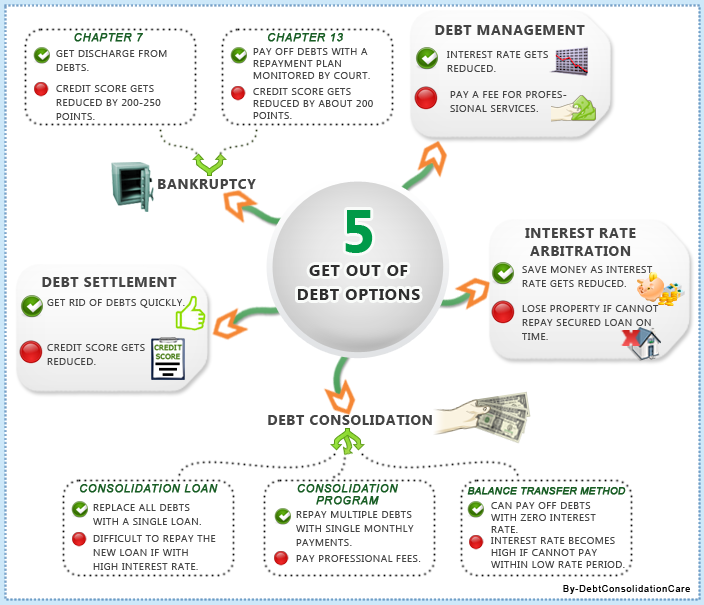
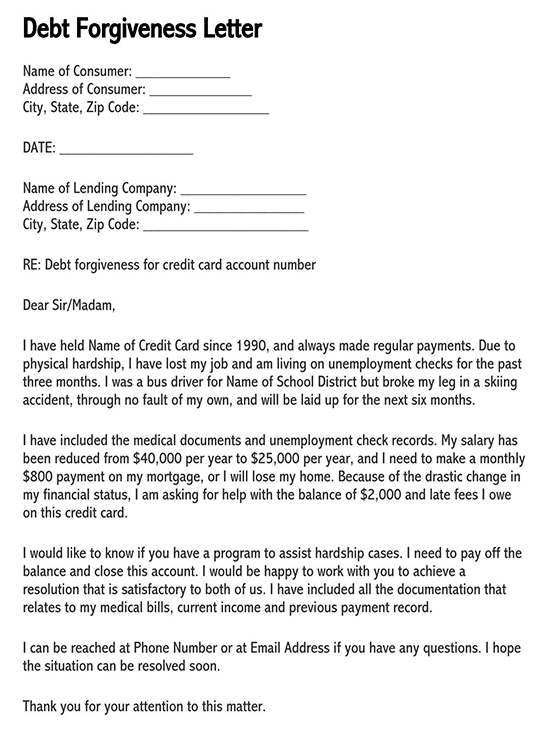
That maximizes cash in the short-term, and you might have three to four years to save toward the negotiation amount. Extremely hazardous to credit report, primarily as a result of missed settlements and a negative "cleared up" mark that might remain on your credit report for up to seven yearsMay be just alternative if other choices (financial obligation consolidation, equilibrium transfer credit scores cards, financial debt forgiveness) aren't possibleTypically calls for a cost to the 3rd party, which can balance out some or all of the cost savings from financial debt settlementMay assist you prevent personal bankruptcy if you've missed numerous paymentsNot all lenders deal with financial debt settlement companies Financial obligation mercy might be ideal for you if you are experiencing an economic hardship that makes it virtually impossible to pay down your debt equilibriums.
With a DMP, you make one monthly payment to the credit rating counseling firm. Those funds are then distributed to creditors of your unsecured financial obligations, such as credit history cards and installment financings. The company works with your financial institutions to decrease rate of interest or forgo costs, yet some creditors may refuse such giving ins.
A financial debt loan consolidation financing combines your eligible financial obligations right into one brand-new loan. It can aid you pay down financial obligation if you have the ability to secure a loan rate that's less than the ordinary price of the accounts you're combining. You have to abstain from racking up financial debt on those recently gotten rid of accounts or your financial debt can grow also higher.
These cards usually supply a 0% passion initial period of as much as 21 months. That offers you a lot of time to eliminate or considerably decrease your balance while making interest-free repayments. For some individuals dealing with impossible debt, personal bankruptcy may be the only way to stop collection process and legitimately settle their financial obligations.
Is It Worth to Invest in Professional Bankruptcy Guidance - The Facts
You may require it if your lender or a collection firm ever before tries to accumulate on the debt in the future. When a loan provider forgives $600 or more, they are required to send you Form 1099-C.
Debt mercy or settlement often injures your credit report. Anytime you clear up a financial debt for much less than you owe, it might look like "worked out" on your credit score report and impact your credit report for 7 years from the date of negotiation. Your credit can likewise drop significantly in the months resulting in the forgiveness if you drop behind on payments.
3 Simple Techniques For Real Stories from Debt Relief Clients
This situation frequently results from underreporting income, not submitting returns on time, or discrepancies discovered throughout an IRS audit. The consequences of building up tax obligation debt are major and can consist of tax liens, which give the IRS a legal case to your building as security for the financial obligation.
Incomes and Bank Accounts IRS can levy (confiscate) salaries and financial institution accounts to please the financial obligation. Residential or commercial property Seizure In severe cases, the Internal revenue service can confiscate and sell building to cover the financial obligation.
Social Stigma Encountering lawful activity from the Internal revenue service can carry social preconception. Employment Opportunities A poor credit rating score due to strain financial debt can limit work chances. Federal government Benefits Tax financial debt might affect eligibility for federal government advantages, such as Social Protection and Medicaid.
Everything Must Prepare For During the Life After Credit Counseling: Action Plan and Check-Ins Process Can Be Fun For Everyone
The OIC considers several aspects, consisting of the taxpayer's income, expenditures, asset equity, and capacity to pay. Efficiently discussing an OIC can be complex, calling for a thorough understanding of the IRS's guidelines and a solid debate for why your offer lines up with your capability to pay. It is necessary to keep in mind that not all applications are approved, and the procedure needs thorough economic disclosure.
The internal revenue service evaluates your overall economic scenario, including your income, costs, asset equity, and capability to pay. You should likewise be present with all filing and settlement requirements and not be in an open bankruptcy proceeding. The IRS also considers your compliance background, assessing whether you have a record of timely filing and paying taxes in previous years.
The Basic Principles Of Bankruptcy Essentials and Eligibility
The application process for an Offer in Concession involves a number of in-depth steps. First, you should finish and send internal revenue service Form 656, the Deal in Concession application, and Form 433-A (OIC), a collection details statement for people. These forms need comprehensive economic info, including details regarding your revenue, financial debts, expenditures, and assets.
Back tax obligations, which are unpaid taxes from previous years, can dramatically increase your complete IRS debt otherwise addressed without delay. This financial debt can accrue interest and late settlement charges, making the original quantity owed much bigger over time. Failing to pay back tax obligations can lead to the internal revenue service taking enforcement actions, such as issuing a tax lien or levy against your property.
It is crucial to address back tax obligations as soon as feasible, either by paying the sum total owed or by organizing a payment plan with the internal revenue service. By taking proactive actions, you can avoid the build-up of added rate of interest and fines, and avoid much more aggressive collection actions by the IRS.
One usual factor is the idea that the taxpayer can pay the full quantity either as a lump amount or with a layaway plan. The IRS also takes into consideration the taxpayer's revenue, expenditures, asset equity, and future earning possibility. If these elements suggest that the taxpayer can afford to pay greater than the used quantity, the IRS is most likely to decline the offer.
The Definitive Guide to Prevalent False Beliefs About Bankruptcy
It is crucial to supply precise and full info in your application and to talk to a tax specialist to improve the chances of approval. Managing internal revenue service debt can be complex and challenging. Tax obligation specialists, such as CPAs, tax obligation attorneys, or enrolled representatives, can give vital support. They have the competence to browse the intricacies of tax obligation legislation and internal revenue service treatments.

Table of Contents
Latest Posts

Indicators on Reviewing Debt Forgiveness Organizations to Find the Right Match You Should Know
Some Known Details About Compliance Factors in Debt Forgiveness

Top Guidelines Of Knowing Your Legal Options in Debt Forgiveness
More
Latest Posts
Indicators on Reviewing Debt Forgiveness Organizations to Find the Right Match You Should Know
Some Known Details About Compliance Factors in Debt Forgiveness
Top Guidelines Of Knowing Your Legal Options in Debt Forgiveness